
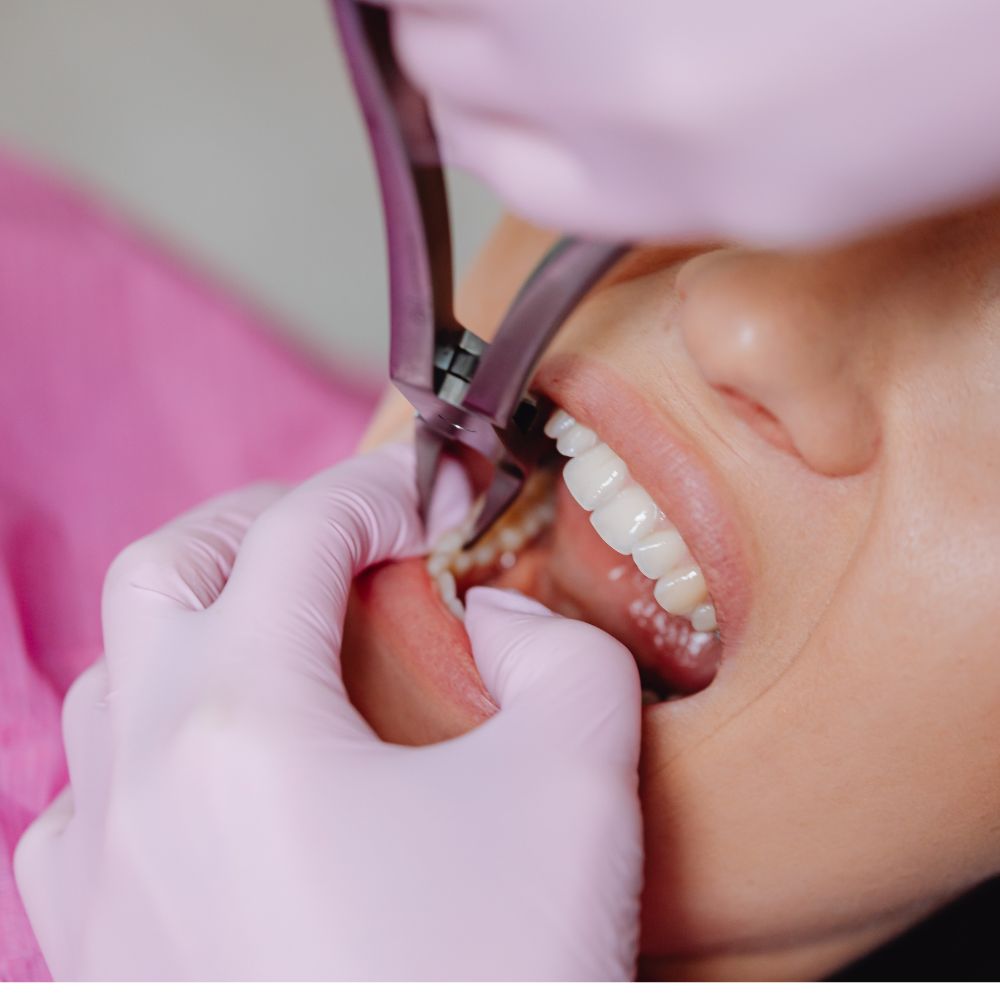
There is never truly a “perfect” time to have a tooth removed. We understand that scheduling a dental visit can be challenging, especially when you already have travel plans. Many people who are about to go on a trip often question whether it is safe to fly soon after undergoing a tooth extraction. At a trusted dental clinic in Visakhapatnam, these are common concerns we hear from patients preparing to travel. This article answers those questions and helps you make an informed decision.
Is it safe to fly after a tooth extraction?
In most cases, dentists recommend avoiding air travel for at least 48 hours after a tooth extraction. This time allows the initial healing process to begin and ensures that any complications can be identified and managed early.
How risky is flying immediately after an extraction?
Even individuals without dental issues may sometimes experience mild tooth sensitivity during flights due to changes in air pressure and altitude. These variations can cause sinus pressure, headaches, dizziness, or dental discomfort. For someone who has recently had a tooth removed, these effects may feel more intense. Therefore, it is always best to consult your dentist before flying to understand any risks based on your specific condition.
Travel preparation tips after a tooth extraction
If flying soon after your procedure is unavoidable, being prepared can help you manage discomfort during the journey. Consider carrying the following essentials:
Extra Gauze
Keep sterile gauze with you in case of slight bleeding. Dentists often recommend replacing gauze every few hours after extraction, especially if mild oozing continues.
Prescribed Medicines
Carry your painkillers or antibiotics in your hand luggage. Even if you feel fine before boarding, having them nearby can help you handle unexpected discomfort.
Water Bottle
Staying hydrated supports healing. Since extremely hot or cold beverages are usually discouraged after extraction, drinking water is the safest choice.
Ice Pack or Zip Bag
To reduce swelling, you may carry a small ice pack (following airline rules) or a resealable bag that can be filled with ice during the flight. Cabin crew can assist with storing or refilling it if needed.
No matter how simple a dental procedure may appear, proper aftercare is crucial. Taking the right precautions helps prevent infection and supports smooth healing—especially when travelling.
Conclusion:
Flying soon after a tooth extraction is possible, but waiting at least 48 hours helps reduce the risk of bleeding, swelling, and discomfort caused by cabin pressure changes. If travel cannot be avoided, following your dentist’s advice after a tooth extraction in Visakhapatnam and taking proper precautions can support safe healing and a more comfortable journey.